Irrigation RFQ desk · Mon–Fri 08:00–17:30 CET [email protected] · +31 341 416 854

Crop & application matrix

Match Ridder irrigation packages to the way your fields actually water

Use the matrix below to shortlist drip, pivot or fertigation lanes by crop type, geometry and water source before you open an RFQ.

Application matrix

Field contexts, water needs and recommended equipment families

Application Typical need Key specs to send Ridder lane
Row crops Uniform soil moisture across long laterals Coverage area (ha), flow rate (m3/h), soil texture Drip tape + filtration + VFD pump
Orchards Under-canopy wetting without wetting fruit Tree spacing, emitter L/h, filtration class Micro irrigation sets
Greenhouse / Venlo Precise nutrient delivery with EC/pH control Tank capacity (L), recipe count, probe type Fertigation skids + controllers
Large circular fields Lower labor intensity for big acreage Working width (m), coverage area (ha) Center pivot span packages
Livestock water Reliable trough fill and pasture lines Daily volume, pump duty, freeze risk VFD pump packages
Aquaculture makeup Controlled makeup flow into RAS or pond loops Makeup m3/h, filtration, alarm I/O Pump + controller packages

Selection trade-off

Drip irrigation versus center pivot — when each fits

Growers often ask whether drip tape or a center pivot is the lower-risk path. Ridder does not force one answer; we map the trade-off to field geometry and labor.

Drip

Strong water-use efficiency for row and orchard crops when filtration is maintained and laterals can follow beds. Labor rises for tape install and flush cycles, but EC/pH fertigation integrates cleanly with drip tape headers.

  • Suited to beds, orchards, greenhouse feed
  • Needs reliable filtration and flush plans
  • Pairs with fertigation skids

Center pivot

Lower labor intensity for large rectangular or circular fields. Throughput is high, but water-use efficiency trails drip on many soils, and corner fill may need end guns or other tools.

  • Suited to large open fields
  • Span modules around 24 m simplify planning
  • Parts staging focuses on drivetrain wear

Operating limits we disclose up front

  • Drip systems need consistent filtration; high silt sources may require multi-stage media before emitters stay in band.
  • Center pivots need suitable field geometry; irregular parcels may leave dry corners even with end guns.
  • Fertigation recipes assume calibrated probes; without seasonal probe checks, EC/pH drift will exceed greenhouse targets.

Scene notes

How agronomists and irrigation designers usually brief Ridder

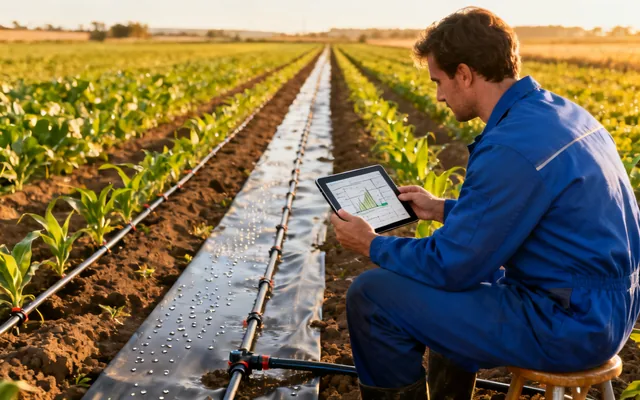
Row crop irrigation planning map on tablet

Farm manager brief

Send hectare blocks, planting week and available power. Ridder returns drip irrigation versus center pivot notes with flow bands in m3/h and filtration class assumptions.

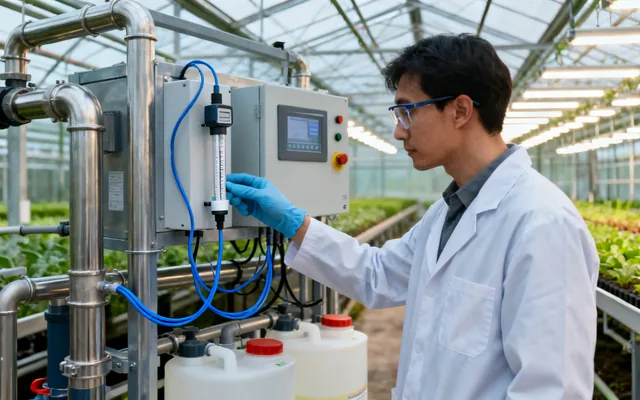
Greenhouse irrigation designer checking EC probe

Greenhouse designer brief

List crop recipe count, tank capacity and probe type. Fertigation skids ship with I/O maps for valve and pump interlocks.

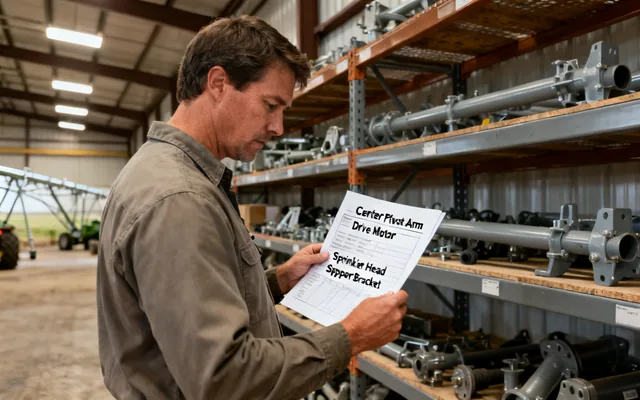
Dealer reviewing pivot parts list

Dealer brief

Share tower counts and wear-kit timing. Pivot packages include span modules and a staging list keyed to service days.

Shortlist your application lane

Bring crop type, field geometry and water source. Ridder maps the matrix to a drip, pivot or fertigation RFQ.

Open RFQ Checklist